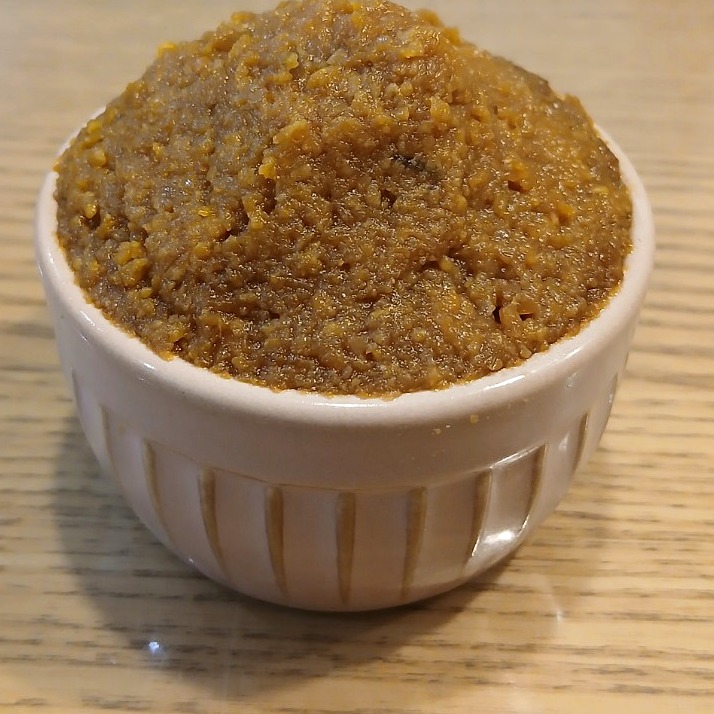
Miso is a familiar food in many Japanese homes. It is used in miso soup, sauces, and many everyday dishes. Most people buy miso at a supermarket, but some families still make it at home.
In our family, homemade miso is connected to an important family memory. We continue making the flavor that my children’s grandmother once made for us.
Miso in Japanese Family Life
Miso is a fermented food made mainly from soybeans, koji, and salt. There are many types of miso in Japan, and the color and flavor can vary by region, ingredients, and fermentation time.
Although miso is common, homemade miso is not something every family makes. It takes preparation, space, time, and patience. For many households, buying miso is much more practical.
Our Family’s Homemade Miso
My late mother-in-law used to make miso. After she passed away, we wanted to continue the flavor and the family memory connected to it.
I have now continued making miso for seven years. We make a large amount, around 60 kilograms, and share some of it with relatives, friends, and people who are important to our family.
Making this much miso is hard work. However, when people enjoy it and tell us that it tastes good, the effort feels worthwhile.
A Flavor Passed Through the Family
Food can carry memories in a way that is difficult to explain. A familiar smell or taste can remind us of a person, a season, or a family gathering.
For us, this miso is not only a seasoning. It connects our present family life with the grandmother who first made it. By continuing the process, we can pass part of that memory to our children.
A Note for Readers Outside Japan
Homemade miso may sound like an old Japanese tradition, but it is not part of daily life in every Japanese household. Many people have never made it themselves.
Some families make small amounts at workshops or at home. Others receive homemade miso from relatives or friends. Our experience is one family example, not a rule for Japanese families.
Useful Points
Homemade miso needs clean equipment, correct salt balance, and a suitable place for fermentation. The flavor develops slowly over several months.
For beginners, making a small amount or joining a local workshop is easier than starting with a large batch. The most important point is to follow a reliable recipe and keep the ingredients and containers clean.
Summary
Miso is an ordinary food in Japan, but homemade miso can also hold a special family meaning.
Our family has continued making it for seven years. The work is not easy, but the flavor connects us with our family’s past and gives us something meaningful to share with others.

コメント